Prayer.Gracious God, as we unite in prayer, we give thanks for the spirited dimension of human existence in which we find help and hope amid the secular realities which make insistent claims upon our time and effort. Having retreated from those pressures for this time of renewed fellowship with friends, we pray that you will grace our gathering with your presence.
Accept now our thanks for all the earthly provisions for our needs, and for spiritual resources to pursue opportunities to serve others. Amen.
Club Announcements
Birthdays and Anniversaries
Birthdays
Judy Lyons Feb. 07
Anniversaries
None
Membership Anniversaries
Erin Rutherford 2 years, Feb. 09
Larry Anderson 2 years, Feb. 09
Matt Monsour 2 years, Feb. 09
This week’s Rotary Foundation Thought is "Jimmy Carter's Vision for World Peace" from the February issue of the "Rotarian" It was distributed to club members and friends on February 1.
.
Billy Brumfield House. The Rotary Club of North Jackson is serving supper once a month at The Billy Brumfield House, a Stewpot Community Services ministry. Our club serves on the 1st Tuesday of each month. Interested members need to meet @ Baker Donelson located at the corner of Eastover Drive and the I-55 North Frontage Road @ 5:15 PM and then travel together to Billy Brumfield. Also, if you are interested in sponsoring a month, the est. cost is $180 for the food. Mike Dawkins is project chair and can be reached @ 601-351-2428 or dawkins@bakerdonelson.com.
Between the Lions. Please remember to sign up for Between the Lions. During the school year, we read weekly to pre-Kindergarteners at William Walton Elementary School on Bailey Ave. It is a wonderful experience! The children are truly information sponges and very willing learners. Contact Jenny Price (662) 213-1294 for more information. We have resumed reading and are really enjoying it.
Member Care Committeereminder: for anyone who needs assistance getting to a meeting, please call Luther Munford at (601) 985-4418.
Thinking of Proposing a New Member?
First, discuss with Classification Committee (Paul Miller or Julian Carroll). They will provide a member- ship application, check classification availability and discuss occupational qualifications.
Rotary Membership Occupational Qualifications Applicant should be one of the following:
A corporate officer
A Professional (Attorney, CPA, Physician. Engineer, Architect, etc) A Proprietor
An Agent of a reputable company
A Manager or Supervisor of a department or section of a business
Rotarians, don't forget to like the club's Facebook page to stay up to date on the latest happenings. Search us out at Rotary Club of North Jackson or click the link:
“Service above self; they profit most who serve best.”
P. O. Box 9528, Jackson, MS 39286-9528 www.northjacksonrotary.org
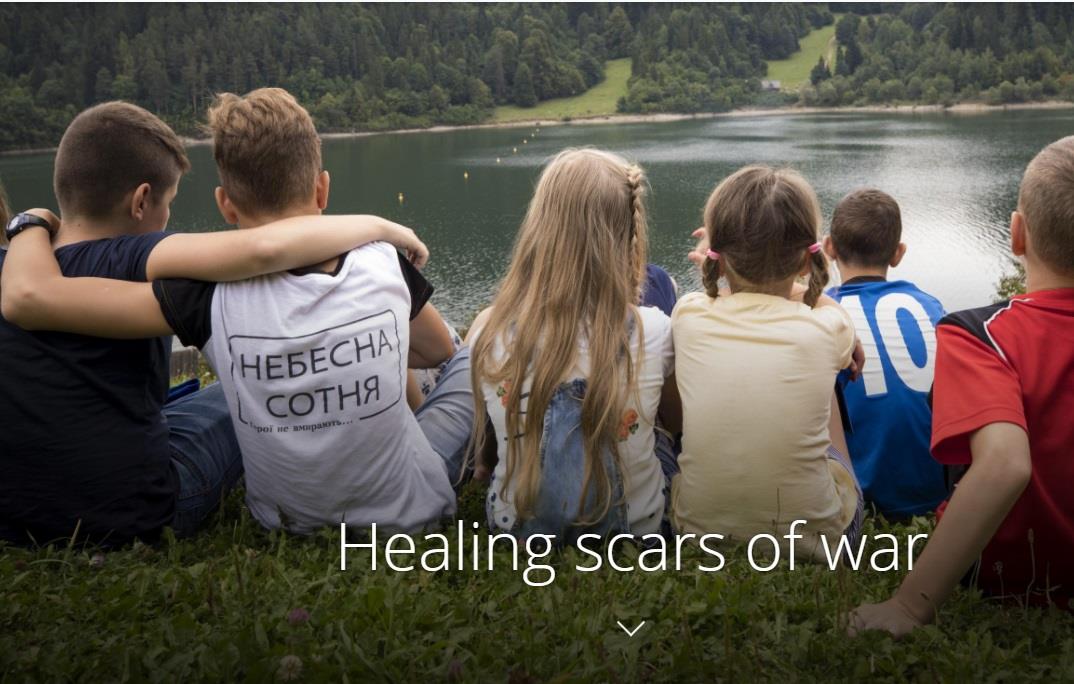
In the mountains of Poland, 26 children traumatized by violence get a chance to be kids again at Rotary camp 2/1/2018 Rotarians help kids traumatized by war | Rotary International
By Iuliia Mendel Produced by Monika Lozinska.
Beneath the emotional scars of living in a Ukrainian war zone, Mykyta Berlet flashes the same mischievousness of any other 12-year-old boy headed to camp.
He wants to laugh, play pranks and on the last night of camp “we will cover everyone with toothpaste,” he says excitedly.
Mykyta and 25 other Ukrainian youths headed to the resort town of Zakopane in the foothills of southern Poland are naturally focused on fun. But their two-week respite organized by Rotary members has a higher purpose: To help the children heal and cope with the trauma they may encounter when they go home.
Each camper has a parent or sibling killed or injured in the fighting in Ukraine. Psychologists at camp will guide them along the way during an itinerary that mixes escape and therapy.
Olga Zmiyivska, a member of the Rotary Club of Kharkiv Multinational in Ukraine,
has brought children to the camp for two years and has witnessed its impact.
“After the trip, they are more willing to make contact and open their hearts,” she
said.
ValeriiaSalohub, 13, father killed
War came into their homes
Thousands have died and millions have been displaced by the fighting between pro-Russia rebels and the Ukrainian military in eastern Ukraine.
Growing up in the shadow of that nearly four-year conflict, most of the campers don’t remember a life without war. They tell unrealistic stories about battles and keep silent about real horrors. Some are guarded and hypervigilant. Others endure sleepless nights or nightmares. A few withdraw and emotionally shut down.
In Zakopane, nestled in the scenic Tatra Mountains, Rotary members give the children a chance to heal in a peaceful setting. The children sleep in comfortable cabins along a pristine lake flanked by green, rolling hills.
The program, called Vacation 2017 Zakopane: Well-Being for Ukrainian Kids, includes traditional camp activities and field trips along with support from mental health professionals. More than 100 children have attended over the past four years.
Psychologist and art therapist Olha Hrytsenko helps children work through their grief at Vacation 2017 Zakopane: Well-Being for Ukrainian Kids.
This year’s campers visited a mountain village to learn about local traditions, toured historic Krakow, and saw the castles, salt mines and hot springs of southern Poland. The routine activities are simple but powerful.
Yuriy Paschalin and Vlad Tsepun, both 12, became close friends after their fathers were killed by snipers. The field trips helped both boys start to relax and act like typical, curious children.
“This program allows these kids to stay kids and to live children’s emotions,” said psychologist and art therapist Olha Hrytsenko.
“They will observe and absorb another culture, attitude, and language, (and) will be able to compare and make conclusions about what is good and what is bad. It will help them to find themselves.”
Breaking their silence When asked about their families, the children often talk about their parents,
siblings, grandparents, and even their pets. Then the looks in their eyes change.
Glints of childish fun disappear, along with any fussing or fidgeting. Instead, there is
obvious pain behind their faces. And silence.
Like many children, 11-year-old Dima Tkachuk doesn’t want to talk about his dad’s
death. Talking about death makes it all too real. His father was killed in a military conflict zone; Dima’s mother also serves in the Ukrainian army and has been sent to the same area where Dima’s father was killed.
“A person will always remember the loss of someone whom he or she loved. The task is
not to forget but to find the essence of this loss and to learn how to be happy after
this.” Olha Hrytsenko art therapist
Dima, though, shared a glimpse of the stress on his family. He explained that since
their mother left to join the fighting, his 18-year-old brother has turned to smoking
and drinking alcohol. “Sometimes he does things that one cannot be proud of,” Dima said.
The psychologists and camp staff know not to pressure the children to open up.
Instead, they build trust through group games, outdoor activities, art therapy, and
individual counseling with psychologists.
Children are more vulnerable to the psychological trauma of war, often causing
them to withdraw, experts say. Re-establishing emotional connections is critical to healing. If left untreated, isolated children are more likely to experience domestic
violence, addiction, and job loss later in life, research shows.
When a breakthrough does come, therapists listen or just sit quietly as the tears
flow.
“It always takes time to survive loss. This time is needed to run the processes that
we name ‘grief work,’ ” says Hrytsenko.
“A person will always remember the loss of someone whom he or she loved. The task is not to forget but to find the essence of this loss and to learn how to be
happy after this.”
Dreams and beliefs
At the Zakopane camp, Valerie Tkachuk, 12, from Dnipro, Ukraine, was slow to trust
others. Her answers were often short and sharp.
Her father was injured in combat while her pregnant mother was home caring for
the family. Valerie shrank into herself, stopped communicating with peers, and
started sleeping in her father’s sleeping bag on the balcony.
“That year was the most difficult in my life,” Valerie said.
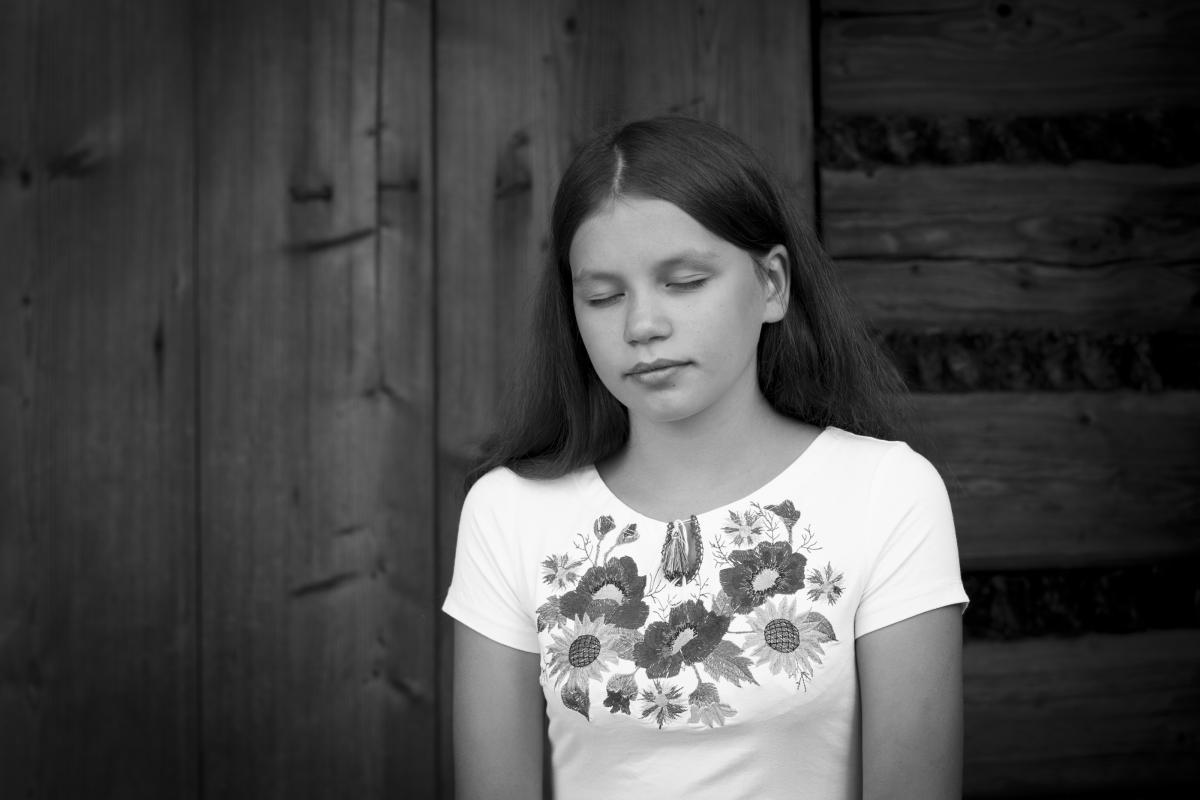
She was asked to close her eyes and remember the most pleasant memory of
camp in an effort to make her smile for a photo. Eyes closed, Valerie started crying and opened up in a way she had not previously at camp.
I am disturbed about my dad, as he is stressed for mom. And he is forbidden to have any stress, as he can have a heart attack,” Valerie said.
Valerie dreams of following her father’s path and becoming a military officer.
Many children who grow up with war are drawn to the military. Their vulnerability, feelings of helplessness, and lack of trust make the strong image of a soldier appealing, experts say.
Dima is set on a career in the army. Sasha Kruglikov, 9, whose father was killed in the conflict, already views himself as a soldier. He likes wrestling and karate and said he wants to defend his country when he grows up.
Creating a place to heal
When the conflict in Ukraine began in early 2014, Rotary members stepped up to help.
“We thought, why not organize vacations for kids whose childhood was affected by war,” says Ryszard Luczyn, a member of the Rotary Club of Zamosc Ordynacki, Poland.
Barbara Pawlisz, of the Rotary Club of Sopot International in Poland, and Łuczyn got support from the Poland-Ukraine Intercountry Committee. Rotary’s Intercountry Committees are networks of Rotary clubs in at least two countries, and they often work together on service projects or to foster peace between the residents of countries in conflict. Rotary clubs in Belarus, Poland and Ukraine participate in the network.
The Well-Being for Ukrainian Kids project started in 2014 with mixed results. The children, ages eight to 17, didn’t always get along. Their war trauma was recent, and communication between the age groups was difficult.
The Rotary members recognized adjustments were necessary, but they were not deterred.
Since that initial effort, organizers narrowed the age range for campers to six to 12, and the number of Polish Rotary clubs that support the project has more than doubled to 83.
Rotary District 2231 in Poland raised money to pay the travel and lodging expenses of the children and their caretakers. The project has also drawn support from clubs in Sweden and Slovakia. Ukrainian clubs were involved in selecting participants from all areas of the country.
“It is always very difficult to find affected children in small towns and villages. So we appealed to all the Ukrainian Rotary clubs to help us,” says Anna Kaczmarczyk, a member of the Rotary Club of Zamosc Ordynacki, Poland. “Now we have children not only from large cities, but also from distant parts of the country.”
Does it work?
The changes in the children are obvious, Rotary members say.
Anna Kaczmarczyk, a member of the Rotary Club of Zamosc Ordynacki, Poland, is the first person to meet the children when they start their trip.
Kaczmarczyk is the first person to meet the children in Lviv, Ukraine when they start their trip. They may be nervous, which can make them irritable and aggressive.
But after the program, they are relaxed, smiling, filled with a new self-confidence.
“We continue this program because we know how these children react, how they change, how they become more open to the world, and how they look at the world the way it should be for a child,” Kaczmarczyk says. “War takes from them their childhood. And they still have their children’s dreams.”
After the children return home, they send letters and pictures about their camp experiences to program organizers and Rotary members.
Children have drawn portraits, colorful scenes of nature, castles and the kings and queens who live in them, and dragons. Sometimes, they write letters about what they observed. One girl marveled at the clean streets and friendly people.
Whether they are magical stories or practical observations, the children carry warm memories home with them.
Kids who experience violence can be prone to violence themselves; this program shows them a different path.
“After such traumas as car crash, natural disasters, [or] wars, people often go to two extremes: Either they stop being afraid of everything or they start being scared of everything. I think these children will belong to the first category,” psychologist Hrytsenko said.
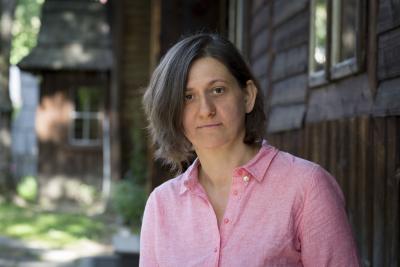
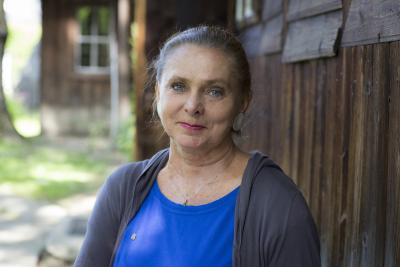
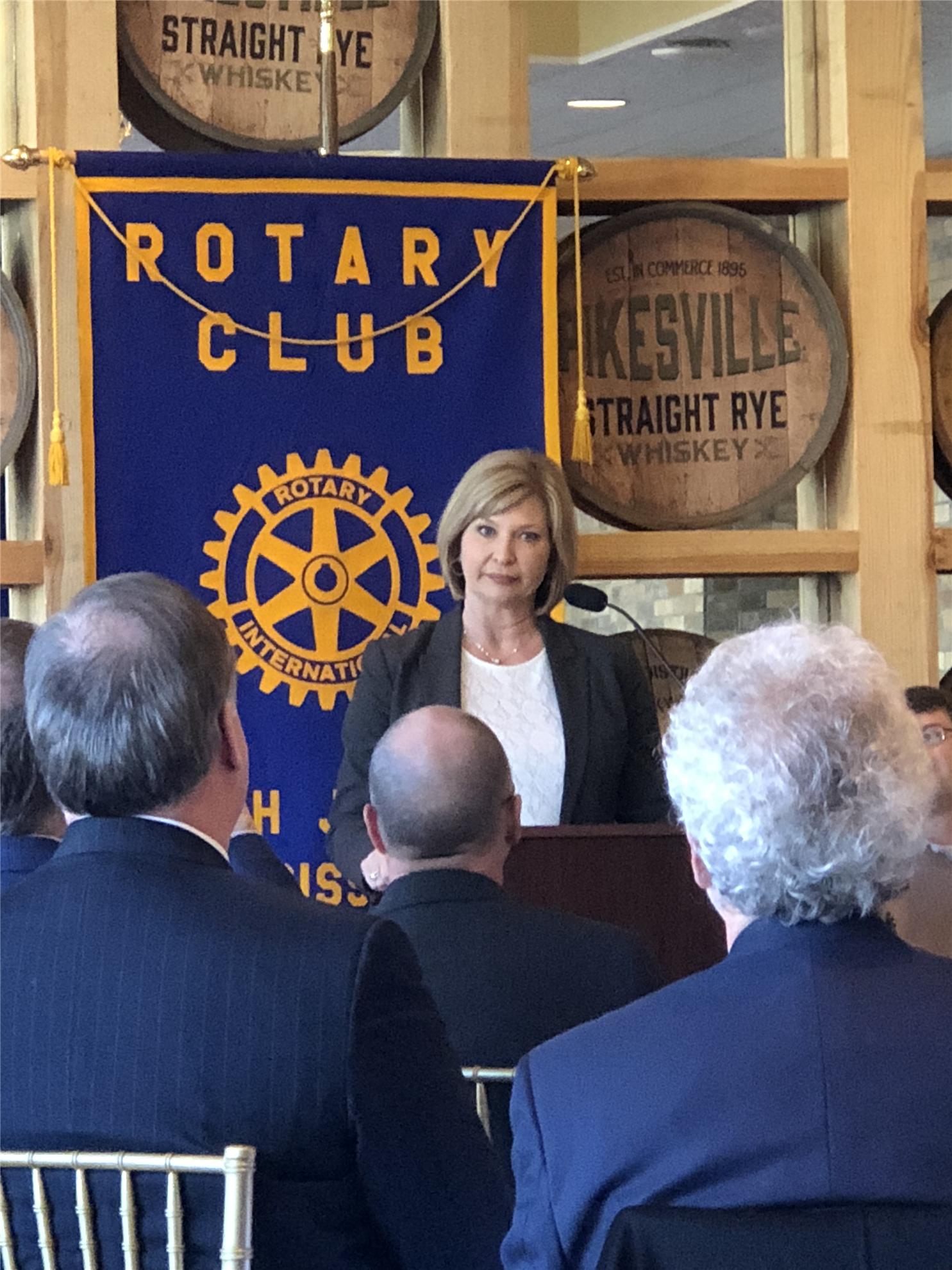
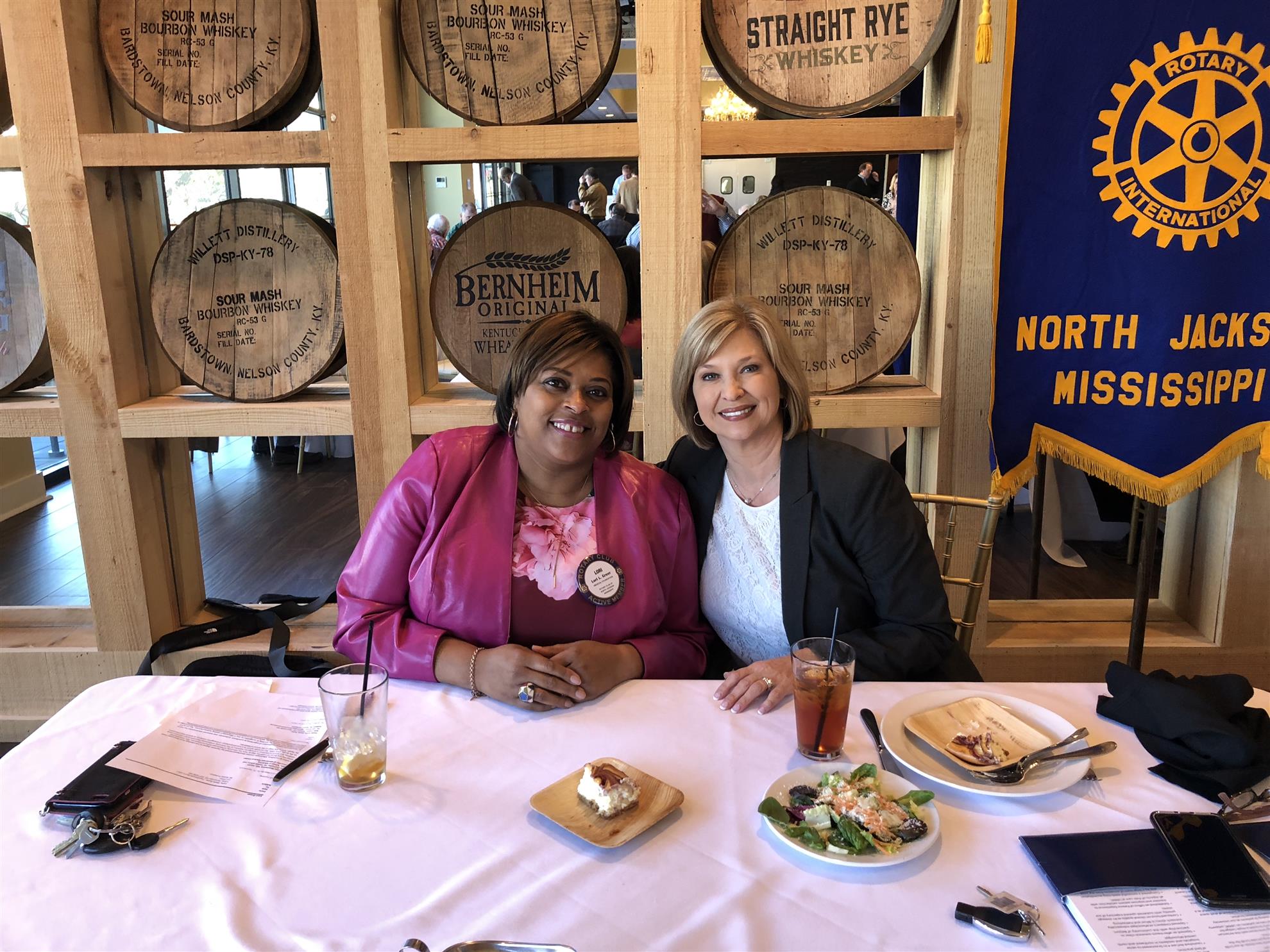
Dr. LouAnn Woodward, Vice Chancellor & Dean of the School of Medicine at the University of Mississippi Medical Center (UMMC) spoke to the Rotary Club of North Jackson at the club's January 30, 2018, meeting. The general topic of her speech was progress being made in improving medical care availability for the Citizens of Mississippi. She discussed the recently completed new Medical a School Building that is permitting the no. of graduates from 100 annually to 155 annually and the school's efforts to retain its graduates in the state. She also discussed the opening of a clinic in Belzoni where the local hospital closed and the use of telemedicine to improve the access to medical specialists. In addition, she distributed two "leave behinds", a map of UMMc's facilities and telemedicine locations in the state and a list of UMMC's successes in 2017. Dr. Woodward is shown in the accompanying photos at the meeting. One photo is of her during her talk and the second is of her with Club member Lori Greer, who is an employee of the Jackson Medical Mall which is operated by UMMC.
We thank Dr. Woodward for her presentation and for her service and commitment to the citizens of Mississippi.
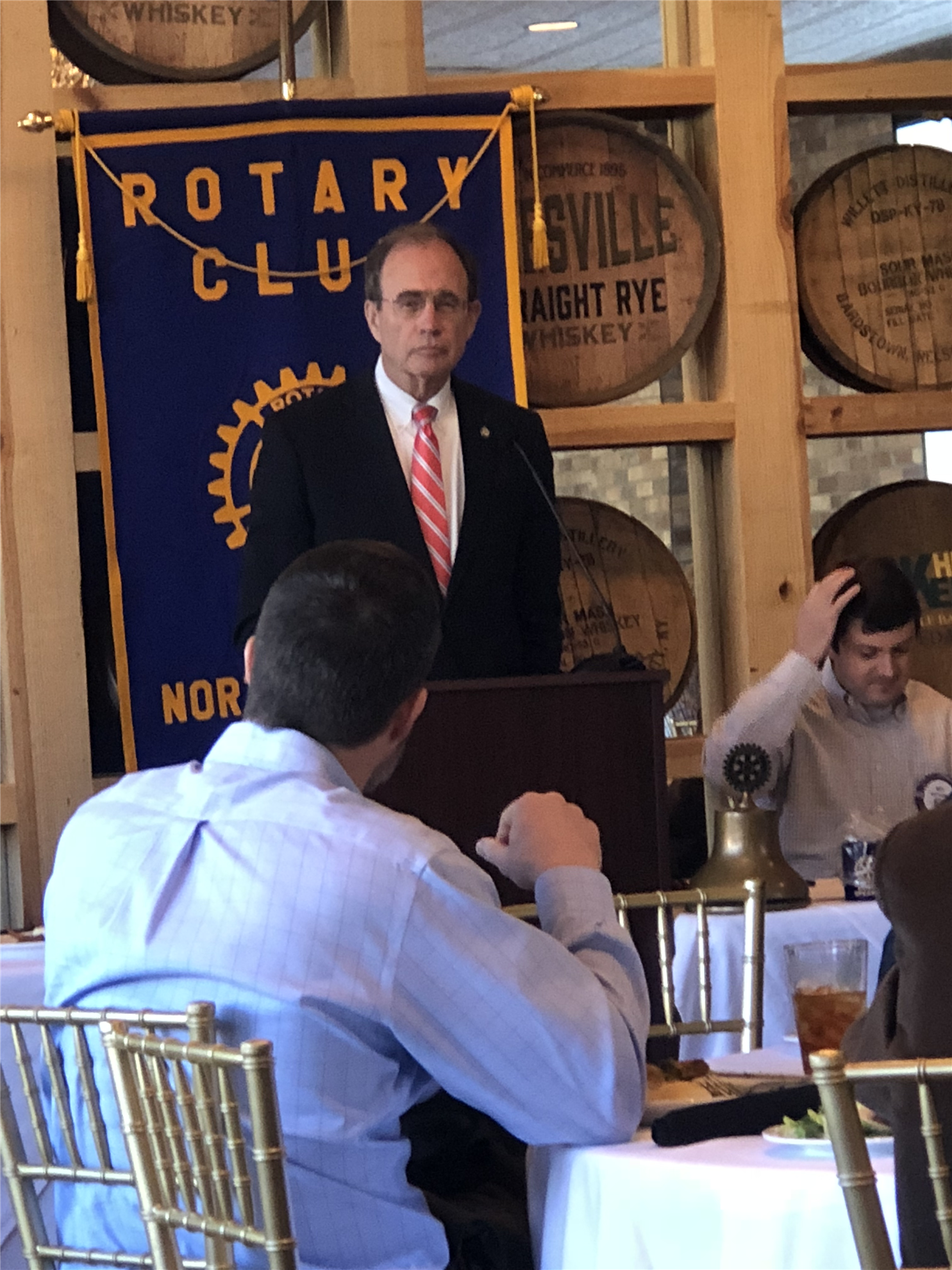
Hon. Delbert Hosemann, Secretary of State for the State of Mississippi spoke to the Rotary Club of North Jackson at the club's January 23, 2018, meeting. Secretary Hosemann, who is completing his second term as Secretary of State, discussed the accomplishments during his term; namely,
significantly reducing the cost of operating the office of the Secretary of State;
improving the quality and accessibility of the department's website;
Improving the ability of corporations and LLCs to file reports;
developing a business-friendly website, Y'all Business, to assist business looking to locate in the state;
reducing the quantity of tax-forfeited property owned by the state;
Increasing the revenues received by school districts from what is called "16th Section Land" that the districts own and lease to individuals and corporations; and
conducting a Y'all Business Survey of Mississippi business owners.
The business survey was targeted at factors that would cause businesses to want to expand their business in Mississippi. The results are quite interesting. Most important is an educated workforce. Down the list, at no. 11 and 12 respectively, were local and state financial incentives and state and local tax structure.
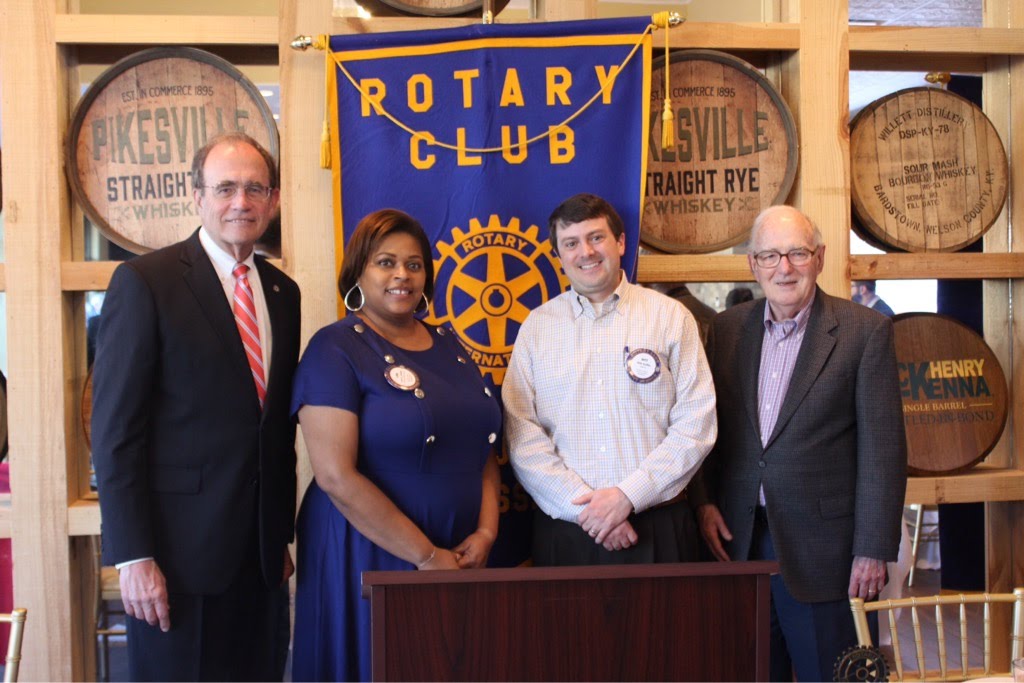
We thank Secretary Hosemann for his presentation to our club and for his service and commitment to the citizens of Mississippi. He is shown at the podium during his presentation and with club members and a visiting Rotarian following his presentation in the accompanying photos.
Shown in the photo following his talk are; from the left, Secretary Hosemann, Rotarian Lori Greer, who introduced him, Club President Witt Ruffin, and visiting Rotarian Dr. Henry Mills.
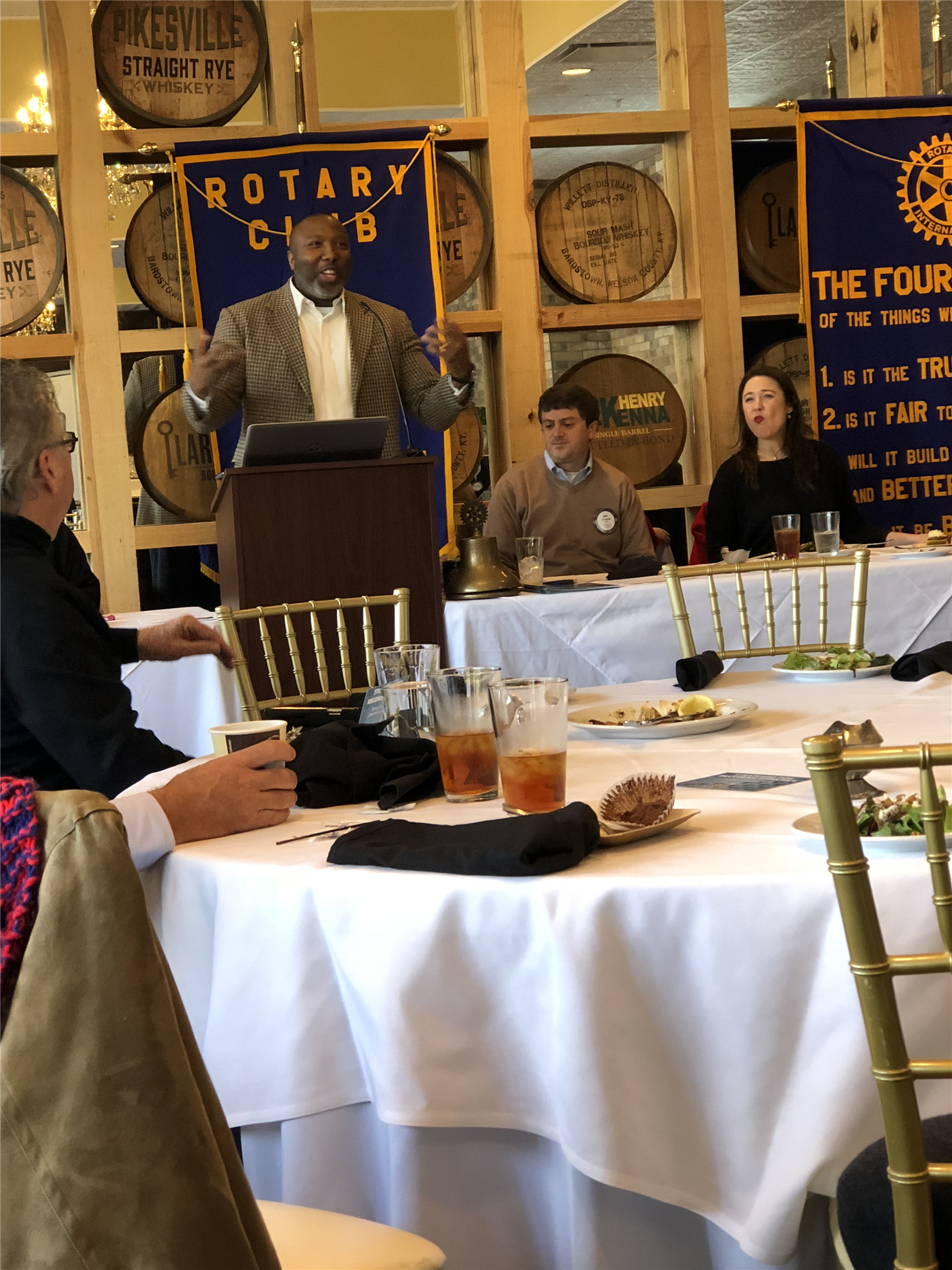
Motivational speaker, Lemzel Johnson, spoke to the Rotary Club of North Jackson at the club's January 2, 2018, meeting. The purpose of his talk was to discuss what he calls "Strategies for Becoming Effective." The vehicle of this effectiveness he mentioned is an organization named LiveVersation. The following is from the LiferVersation website (Lifeversation.com): "Lemzel Johnson almost died in 2008 with an undiagnosed brain tumor that was over 2 inches in size. Being that the tumor was inoperable Lemzel kept himself motivated with inspirational speakers and motivational books. Being encouraged to have a better future than his current position, he worked to live out what he believed. As he did this, he recognized that many were being inspired to have hope for their future too. Today, Lemzel continues to inspire and motivate hundreds each year to find their identity and purpose in the midst of their difficulty. His mission is to help individuals and business find harmony through the application of life principles." The website further states "If you clarify your motive, then becoming and staying motivated will follow close behind."
To quote from the material that Mr. Johnson distributed, " Over the last several years LifeVersation has studied some of the rising problems in business today. It has found that the lack of well-developed 'Soft Skills' is the number one destroyer of productivity and effectiveness in businesses and teams. 'Soft Skills" are defined as character traits and interpersonal skills that characterize a person's relationships with other people."
"LifeVersations has created "Strategies for becoming effective" as an interactive training to boost the 'Soft Skills' of organizations, teams, and individuals. This training curriculum is designed to enhance the much-needed cohesiveness from within each individual or team member to build harmony toward success. We thank Mr. Johnson for his presentation to our club and for his commitment to improving productivity and effectiveness. He is shown during his presentation in the accompanying photo.